
Innovation in Physical Education: affective and strategic teaching approaches for the New Mexican School.
Keywords:
Educational affectivity, Didactic strategies, Physical Education, Educational innovation, New Mexican SchoolAbstract
This article proposes an educational innovation in the field of Physical Education at the basic education level, grounded in the integration of experiential, affective, and methodologically rigorous approaches. The central discussion focuses on the shift from conventional instruction—centered on the execution of isolated motor activities— to an active approach that prioritizes emotional experience and meaningful learning. To this end, strategies such as Problem-Based Learning (PBL) and Challenge-Based Learning (CBL) are detailed, among others. When implemented in school settings, these strategies aim to transform students from passive recipients of content into active protagonists in the construction of their own knowledge. They foster skills such as creativity, collaboration, and challenge resolution, promoting learning environments where embodiment, affectivity, and participation serve as central pillars. The conceptual foundation of this approach draws on currents such as humanistic psychology and constructivism, which highlight the importance of the affective dimension in education and value knowledge constructed through personal and social experience. Furthermore, the article emphasizes the need for a balance between scientific rigor and pedagogical sensitivity in instructional planning and execution—a balance that relies on the work of teachers and the sensitivity of those in supervisory roles.
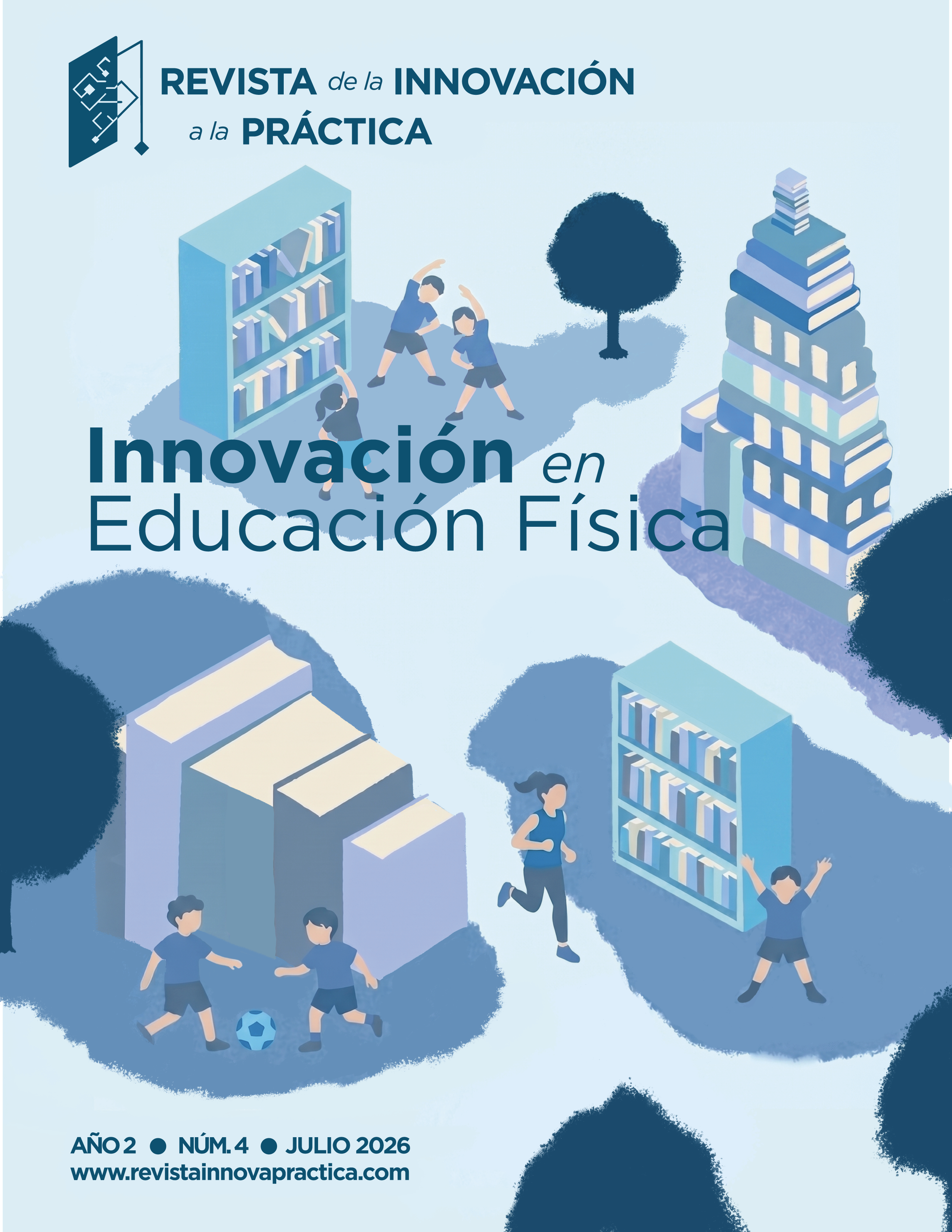
Downloads
Published
How to Cite
Issue
Section
License

This work is licensed under a Creative Commons Attribution-NonCommercial 4.0 International License.